
A property developer in Austin closed 42 units in Q3 2024. Their sales team fielded 1,200 inquiries that quarter, but couldn’t tell which leads were ready to buy vs. the ones just casually browsing. They followed up with everyone equally, burning hours on cold prospects while hot buyers waited days for callbacks.
But in Q4, when they implemented Microsoft Dynamics CRM for real estate, lead scoring cut their follow-up list to 320 qualified prospects. They closed 58 units.
That 38% jump came from one shift: letting the system prioritize based on behavior.
CRM solutions for real estate with Dynamics 365 track site visits, brochure downloads, and inquiry frequency to surface buying intent automatically. In this blog post, we break down how Dynamics CRM handles the complexity of real estate operations without adding friction to the sales process.
Key Takeaways
- Centralizes all property, client, and deal data in one system for clear visibility across the sales pipeline
- Uses predictive lead scoring to identify high-intent buyers based on engagement and behavior
- Automates lead routing, follow-ups, and nurture campaigns to keep every opportunity moving
- Provides AI-powered insights for pricing, marketing, and investment decisions
- Integrates with marketing, accounting, and document tools for seamless deal management from inquiry to closing
Why Real Estate Businesses Need a CRM
Real estate companies handle multiple leads, listings, and client interactions daily, making organization and timely follow-ups challenging. Dynamics CRM for real estate businesses simplifies these tasks by centralizing client data, automating workflows, and tracking every stage of the sales cycle.
With built-in analytics and AI tools, agents can make smarter pricing, marketing, and investment decisions. It transforms how real estate teams work, turning scattered data into meaningful insights that drive faster, more confident deal closures.
We also integrate CRM data with marketing, accounting, and document management tools to keep every deal organized and transparent from inquiry to closing.
Key Microsoft Dynamics CRM Features for Real Estate
Here are the key Microsoft Dynamics CRM features that make it an ideal fit for real estate professionals.
Lead and Opportunity Management
A cash buyer looking this weekend is different from someone researching neighborhoods for next year. Dynamics 365 captures the context that matters.
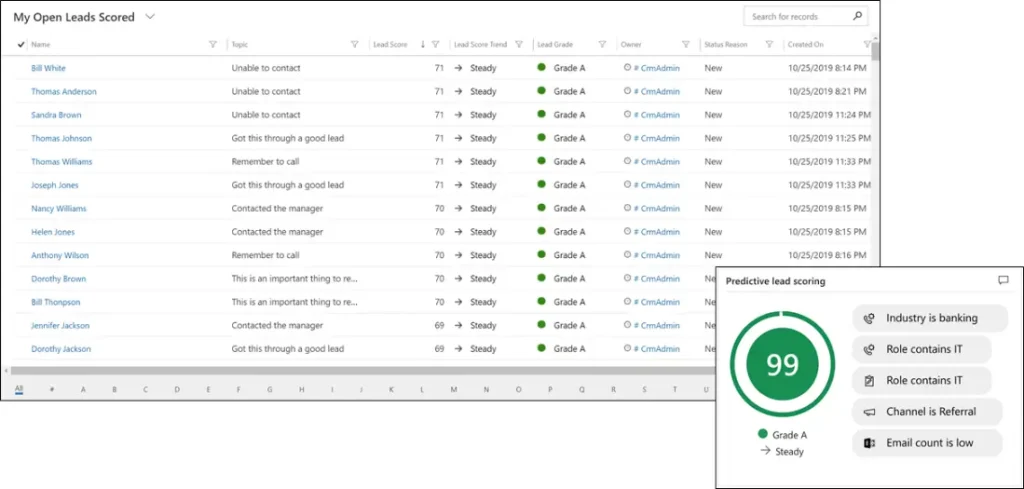
The system scores leads based on actual behavior: did they get mortgage preapproval, how many properties have they viewed, and are they also looking at competing listings? High-intent leads route to your senior agents. Lower-intent leads enter nurture campaigns until they’re ready.
Lead routing happens automatically:
- Territory-based assignment sends downtown condo inquiries to your urban specialist
- Workload balancing prevents one agent from getting 50 leads while another sits idle
- Duplicate detection stops three agents from calling the same person who filled out forms on your website and Zillow
When someone downloads a floor plan three times but doesn’t schedule a showing, the system triggers an automated follow-up. When a lead goes cold for 30 days, it resurfaces with a reminder to try a different approach.
Property and Listing Management
Your inventory isn’t static. Prices change, units get reserved, and new phases open. Dynamics 365 treats each property as a live record connected to opportunities, marketing campaigns, and financial projections.
The platform handles property hierarchy:
- A master development breaks into buildings, then floors, then individual units
- Each level maintains its own availability, pricing, and assigned agent
- When a unit goes under contract, it automatically shows as “pending” across all channels
Properties link to everything relevant: floor plans, HOA documents, inspection reports, comparable listings, and showing feedback. An agent can pull up a condo and instantly see that it’s had 12 showings, two offers fell through during inspection, and the price was reduced once.
Portal integration works both ways:
- Updates to Dynamics sync automatically to MLS, Zillow, and Realtor.com
- When a showing gets scheduled through Zillow, it appears on the agent’s calendar
- Sold properties disappear from all listing sites simultaneously
Example: A developer has 180 condos across three price tiers with quarterly payment plans. Each unit in Dynamics links to its payment schedule, customization options, and parking assignments.
When a buyer shows interest, the agent compares similar units and generates a payment breakdown in two clicks. If the buyer hesitates, they automatically enter a consideration campaign with market trends and buyer testimonials. Once they commit, the unit updates everywhere, and commission splits are calculated based on predefined rules.Customer Service and Support
The transaction doesn’t end at closing. Homeowners need warranty help. Tenants report maintenance issues. Buyers have questions about property taxes.
via Microsoft
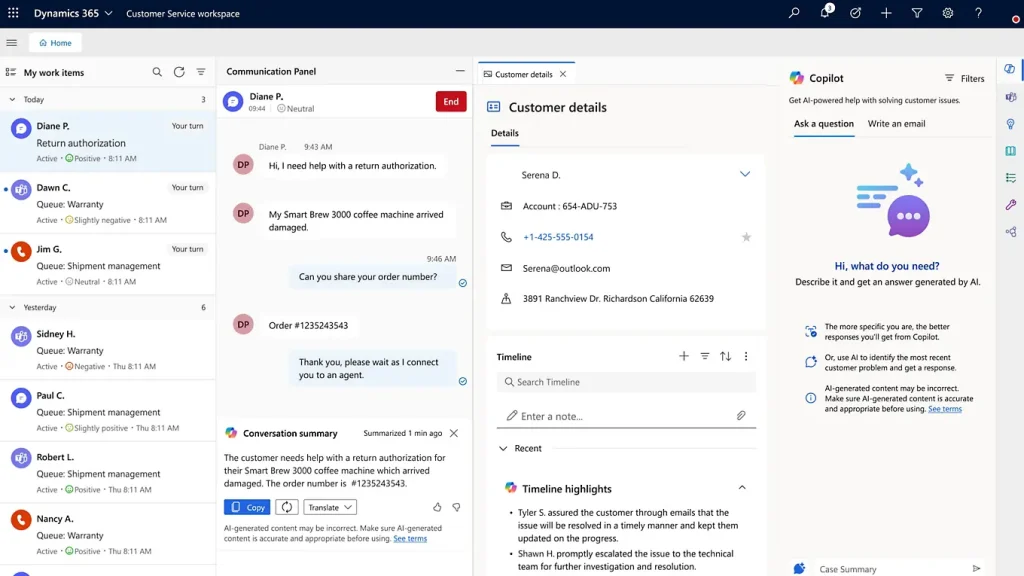
Dynamics 365 converts every interaction into a trackable case with clear ownership and deadlines.
Service requests flow through structured channels:
- Tenants submit issues via mobile app with photos
- The system categorizes by urgency and routes to the right vendor
- SLA timers track whether issues get resolved on schedule
- Residents receive status updates automatically
Warranty claims link to builder punch lists and subcontractor responsibility. When multiple tenants in the same building report similar issues, the system flags a potential systemic problem.
Learn more here:
Example: A property manager oversees 400 units. Tenants used to call, email, or text maintenance requests randomly. The two-person team couldn’t keep track. After implementing a tenant portal connected to Dynamics 365, residents submit requests through an app.
A leaking faucet gets categorized as non-emergency plumbing, assigned to the on-call contractor, and scheduled within 48 hours. The manager sees a live dashboard: 18 open requests, 2 approaching deadlines, Unit 304 has complained four times this month (flag for lease review).Leasing Management
Commercial and residential leasing means tracking rent escalations, renewal options, tenant improvement allowances, and termination clauses. Dynamics 365 structures this complexity so nothing falls through.
Lease tracking covers the full lifecycle:
- Key terms extract into searchable fields (show me all leases expiring in Q2 with renewal options)
- Rent roll calculates current and projected revenue by property
- Automated campaigns trigger 90, 60, and 30 days before expiration
- Renewal offers personalize based on payment history and market conditions
Tenant screening integrates with credit bureaus and background check services. Results are stored directly in the tenant record for future reference.
With Aegis Softtech, your CRM becomes a complete real estate hub that connects sales, marketing, and client service in a single, easy-to-use system.
Financial Management
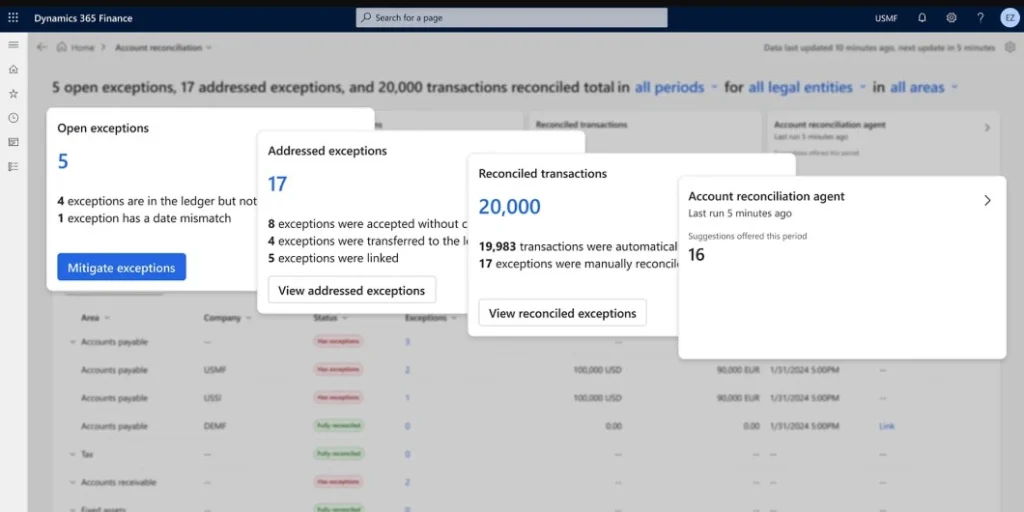
Real estate money flows get complicated: earnest deposits, installment payments, commission splits, developer holdbacks, and closing costs. Dynamics 365 tracks every dollar while keeping the sales team focused on selling.
via Microsoft
Financial tracking includes:
- Payment milestones for pre-construction (20% at contract, 30% at foundation, etc.)
- Automated reminders before payments are due and escalation if they’re late
- Commission calculations handling tiered rates and multi-party splits
- Trust account reconciliation from deposit through closing
Developers can model pricing scenarios: if we price units at $800K versus $850K, what happens to the absorption rate and total revenue over 12 months?
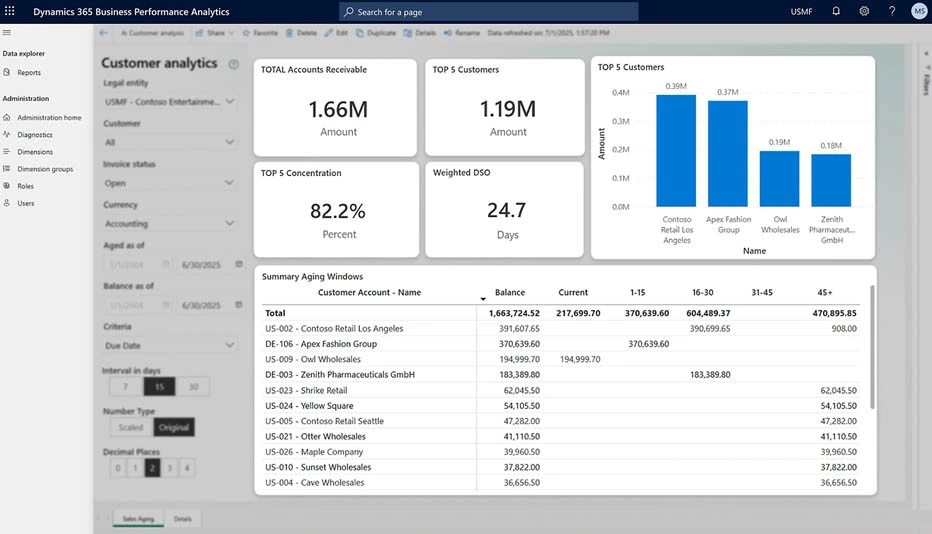
Analytics and Reporting
Standard CRM reports don’t answer real estate questions. Which property types sell fastest? What lead sources actually convert? Does price reduction timing affect time to offer?
Dynamics 365 with Power BI delivers the metrics that inform strategy.
via Microsoft
Analytics track what matters:
- Sales velocity by property type, location, and price range
- Lead source ROI from inquiry cost through closing
- Agent performance on response time, showing-to-offer ratio, and deal size
- Market trends overlaid with your pipeline data
Reports segment, however, you need: buyer demographics, financing method, acquisition channel, and days on market before the first offer.
Real Estate Use Cases of Microsoft Dynamics CRM
Let’s look at how different real estate teams use Microsoft Dynamics CRM to streamline operations and boost sales.
For developers
Real estate developers often juggle several projects at once, each with its own timelines, investors, and contractors.
Microsoft Dynamics CRM for real estate helps simplify this complexity through:
- Centralized dashboards that track project progress, budgets, and milestone achievements in real time
- Automated investor updates with accurate financial and construction reports
- Document and contract management features that keep all project data organized and accessible
- Forecasting tools to analyze sales velocity and plan upcoming developments more strategically
This visibility helps developers maintain transparency with investors and manage timelines without missing critical dependencies.
Developers can track project performance directly in Dynamics 365 using a simple KPI formula:
Project Progress (%) = (Completed Milestones ÷ Total Milestones) x 100
Add this as a calculated field in the dashboard to visualize progress across all ongoing developments and trigger alerts when delays exceed a set threshold.For agents and brokers
Agents and brokers rely on strong lead management and timely client communication.
With CRM solutions for real estate with Dynamics 365, they can:
- Capture and segment buyer or seller inquiries from websites, emails, or social media automatically
- Integrate MLS and property portal APIs to sync listings and reduce manual data entry
- Automate follow-ups and appointment scheduling to keep deals moving smoothly
- Use AI insights to prioritize high-value leads and personalize outreach for better conversion rates
For property managers
Property managers handle multiple properties, tenants, and service requests simultaneously. Microsoft Dynamics CRM for real estate provides tools to manage all of this efficiently by:
- Maintaining complete tenant records with lease details, payment history, and communication logs
- Automating reminders for rent collection, renewals, and maintenance tasks
- Creating service tickets that route automatically to the right teams for faster resolution
- Generating reports on occupancy, revenue, and maintenance trends for better planning
Create a survey workflow triggered post-transaction. When a deal closes or a lease renews, the CRM automatically sends a feedback form and logs responses under the client record.
This helps measure satisfaction, identify recurring pain points, and improve service quality.Why Partner With Aegis Softtech for Microsoft Dynamics CRM Implementation
Most CRM implementations fail because Dynamics CRM developers treat every industry the same. We don’t.
At Aegis Softtech, we specialize in Microsoft Dynamics CRM for real estate and property tech. That means we already understand how agents manage listings, how property managers track tenant relationships, and how brokers nurture leads through long sales cycles.
Our Dynamics CRM Consulting services cover everything:
- Custom configuration matching your actual workflows, not generic templates
- D365 integration with property management systems, MLS databases, and marketing tools
- AI-powered lead scoring and ML models that predict client behavior
- Role-specific D365 training for agents, operations staff, and management
- Ongoing D365 support and managed services as your business evolves
FAQs
1. What are the benefits of Dynamics 365 in real estate?
Dynamics 365 for real estate businesses helps manage leads, track property listings, automate marketing, and improve client relationships. It also centralizes sales, finance, and communication, making it easier to handle deals from start to finish.
2. How can AI and predictive analytics in Dynamics 365 improve real estate decision-making?
AI and predictive analytics help forecast property demand, identify high-value leads, and suggest the best pricing strategies. They also spot market trends and guide smarter investment or sales decisions.
3. What metrics should real estate firms track inside Microsoft Dynamics CRM?
Real estate firms should track lead conversion rate, property inquiry volume, average deal value, sales cycle time, and customer satisfaction scores.
4. How does Dynamics CRM help manage multi-location or franchise real estate operations?
Dynamics CRM for real estate provides a single platform to view all branch data, track performance, share client information, and standardize processes. It also helps ensure consistent communication and reporting across all locations.